
 EN
EN
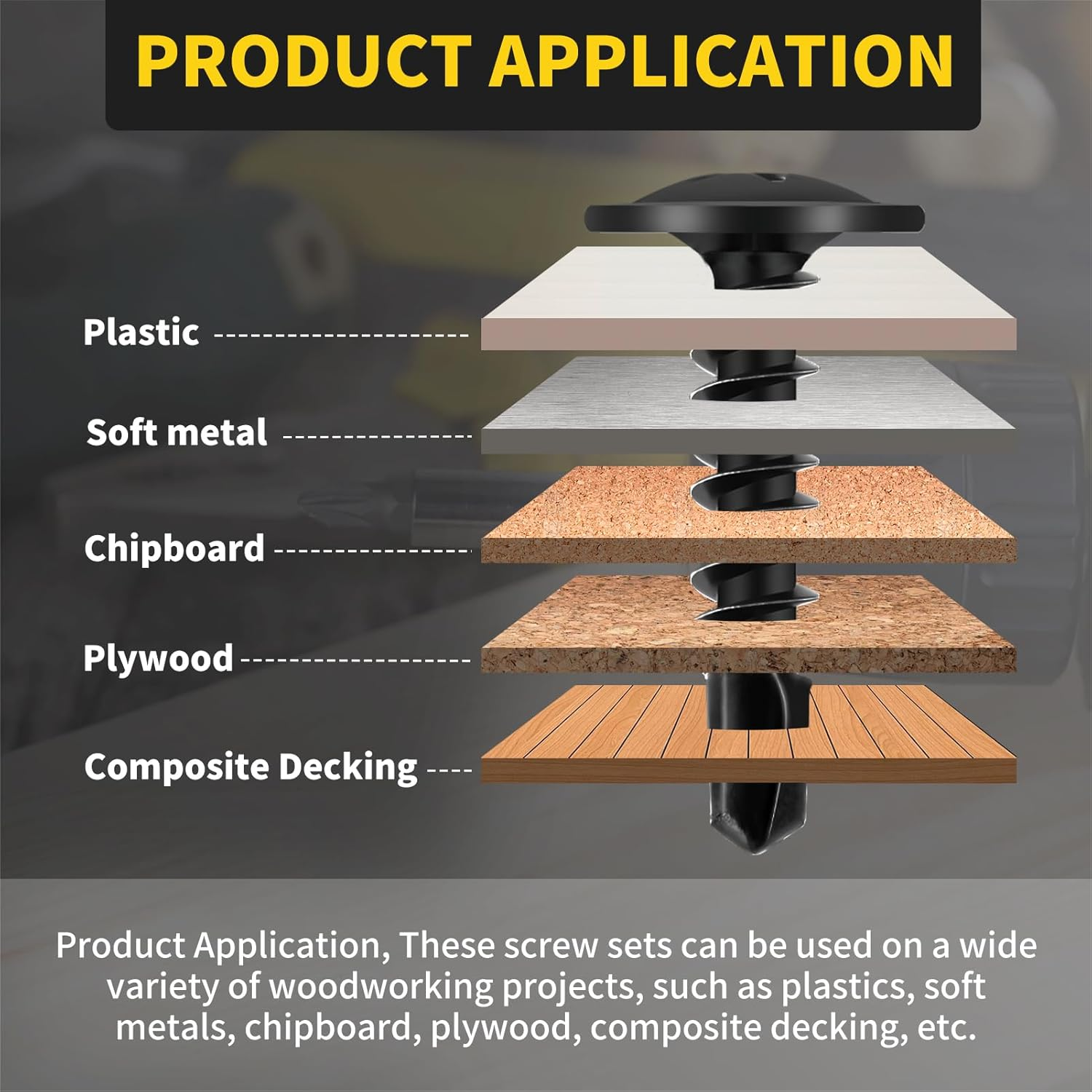
Elimination of Pre-Drilling: Core Time and Labor Savings
How self-drilling screws integrate drill and fasten functions to eliminate pilot holes in metal and sheet metal
Self drilling screws combine both drilling and fastening into one smooth process, which means no need to make those annoying pilot holes when working with sheet metal or light gauge steel. These screws come with a tough drill bit built right into the tip that goes straight through materials. The specially made grooves along the shaft help push out all the metal chips and keep things cool during use. What makes these screws so great is how they save time compared to having to switch back and forth between a regular drill and screwdriver. For big operations like car manufacturing plants or HVAC duct work, this saves hours because workers don't waste time cleaning out holes after drilling. Some estimates suggest projects can actually take 15 to maybe even 30 percent longer if using traditional methods instead.
Quantified efficiency gains: 40-60% faster installation cycles in industrial applications
Industrial field reports keep pointing to installation times that are anywhere from 40 to 60 percent quicker when using self drilling screws compared to old fashioned two step methods. What makes this possible? Tool consolidation mainly. Workers can stick with one powered driver rather than switching back and forth between different tools all day long. Take for instance putting in around 500 fasteners on steel frames. With regular screws it takes about 3 and a half hours, but switch to self drilling versions and that same job gets done in roughly 1 hour 45 minutes. A recent look at construction productivity in 2023 showed similar results too, finding crews spent about 25% fewer man hours erecting each ton of steel. And that means real money saved on labor costs plus projects getting wrapped up much sooner than expected.
| Installation Method | Time per 100 Fasteners | Labor Cost per Unit |
|---|---|---|
| Conventional | 42 minutes | $3.20 |
| Self-Drilling | 18 minutes | $1.45 |
When pre-drilling is still recommended: Material thickness, hardness, and alignment considerations
Self drilling screws work great in many situations but they aren't suitable for everything. For materials thicker than about 14 gauge (around 2mm) or any hardened steel with a Rockwell hardness above B80, it's still better to drill first since these conditions can cause cracks while the screw goes in on its own. Creating pilot holes helps make things more accurate and keeps the screw from bending when attaching different materials together like steel to concrete or working with layered composite parts that might split apart if pressure isn't applied straight. According to industry standards like ASTM F1667, anyone using screws larger than quarter inch diameter should definitely consider pre drilling too. Same goes for those tricky spots where screws need to go into the end grain of hardwoods which tends to be tougher on the fasteners.
Broad Material Compatibility and Application Versatility
Performance across steel, wood, plastic, and composites - validated by ASTM F1667 and ISO 1479 standards
Self drilling screws work well on all sorts of materials including carbon steel, pressure treated wood, various engineering plastics, and even fiber reinforced composites. This versatility comes from special drill point designs that can handle different material densities without needing to switch bits during installation. When it comes to structural reliability, these screws meet industry standards like ASTM F1667 which covers driven fasteners and ISO 1479 specifically for thread forming screws. Both specs confirm they maintain good shear strength, something especially important when working with composite materials where self drilling versions actually outperform regular fasteners by around 15 percent or more according to testing data. Another benefit lies in their flute design that clears away debris efficiently as the screw goes in. This helps prevent heat buildup problems in thermoplastic applications and keeps layers intact in multi layered substrate installations too.
Reduced risk of splitting in hardwoods and brittle materials due to tapered shank and self-tapping action
Self drilling screws with their tapered shanks and gradually increasing thread profiles work differently from regular wood screws. Instead of pushing material sideways when driven into surfaces, these specialized fasteners actually compress the material as they go in. According to research published in the Journal of Materials Processing Technology back in 2022, this design reduces internal stresses by about 30 percent compared to standard straight shank screws. What does this mean practically? It helps prevent what's known as the wedge effect that causes those annoying splits along edges of hard woods such as oak. We also see fewer micro cracks forming in materials like cast acrylic sheets or thin composite panels during installation. For manufacturers working on projects requiring strong joints at material interfaces or dealing with delicate components where even small cracks could ruin both function and appearance, these benefits make all the difference.
Superior Holding Strength and Structural Performance
Higher Pull-Out Resistance: Up to 22% Greater Tensile Load Retention in 16-Gauge Cold-Formed Steel (NASM 1312-7)
When working with 16 gauge cold formed steel, self drilling screws actually offer around 22 percent better pull out resistance compared to regular screws according to NASM 1312 7 tests. Why? Because these special screws create threads as they go through material and their design reduces stress points where the screw meets the metal. What does this mean practically? Stronger holds when things get shaken up, which matters a lot for buildings in earthquake areas, equipment that vibrates constantly, or roofs exposed to strong winds. Regular screws tend to come loose or strip out threads in thinner metals over time. Self drilling ones keep everything connected even after repeated stress cycles, as long as the surface isn't too soft and the metal was prepared properly before installation.
Frequently Asked Questions
What are self-drilling screws used for?
Self-drilling screws are used in various applications such as attaching sheet metal, joining light gauge steel, and other industrial construction tasks. They eliminate the need for pilot holes, saving time and labor.
When is pre-drilling still necessary?
Pre-drilling is necessary for materials thicker than 14 gauge (around 2mm), hardened steel with a Rockwell hardness above B80, and when attaching different materials or into the end grain of hardwoods.
How do self-drilling screws improve efficiency?
They reduce installation times by 40-60% in industrial applications due to tool consolidation, allowing workers to use a single powered driver rather than switching tools.
Can self-drilling screws be used with all materials?
They are compatible with various materials including steel, wood, plastic, and composites, validated by ASTM F1667 and ISO 1479 standards.
Table of Contents
-
Elimination of Pre-Drilling: Core Time and Labor Savings
- How self-drilling screws integrate drill and fasten functions to eliminate pilot holes in metal and sheet metal
- Quantified efficiency gains: 40-60% faster installation cycles in industrial applications
- When pre-drilling is still recommended: Material thickness, hardness, and alignment considerations
- Broad Material Compatibility and Application Versatility
- Superior Holding Strength and Structural Performance
- Frequently Asked Questions