
 EN
EN
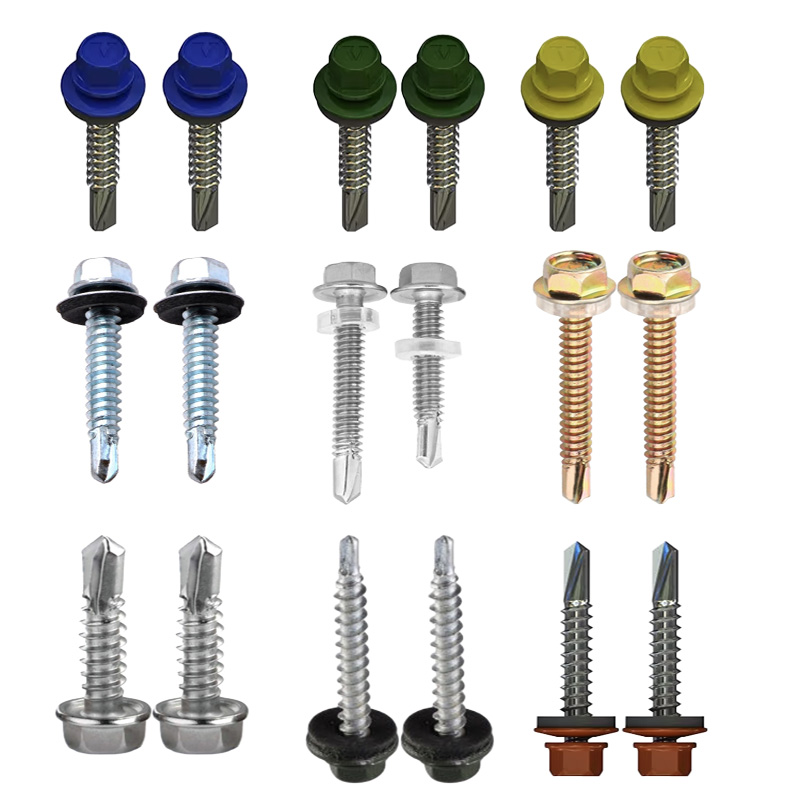
The Critical Role of Roofing Screws in Metal Roof Stability
How Roofing Screws Secure Metal Panels and Maintain Structural Integrity
When it comes to attaching metal panels to roof decks, roofing screws stand out as the go-to solution compared to regular nails or sticky adhesives. These little workhorses have those special threads that actually create tight seals against strong winds while still allowing for normal expansion and contraction of materials. Installers who space these screws correctly can expect much better results since they spread out the pressure across the whole panel surface. According to recent studies from the Metal Roofing Alliance back in 2023, this proper spacing cuts down on panel separation during severe storms by around three fifths. What makes them so versatile? Many modern screws feature dual thread designs that grab hold firmly whether installed into wood framing or steel structures, which helps maintain that solid connection between components over time despite whatever Mother Nature throws at them.
Common Types of Roofing Screws and Their Design Features
Three main types dominate metal roofing applications:
- Self-drilling screws — Feature integrated drill points that eliminate the need for pre-drilling into metal substrates
- Hex washer heads — Provide a 5/16" drive surface to prevent cam-out and over-torquing during installation
- Ceramic-coated variants — Resist corrosion from coastal salt spray and industrial pollutants
Advanced models include NEO-20 neoprene washers engineered to remain elastic between -40°F and 240°F, outperforming standard rubber washers by 300% in accelerated aging tests.
The Impact of Proper Installation on Long-Term Screw Performance
Getting the placement right really matters for how long things last. Most industry standards suggest putting screws into the flat areas of panels instead of the ribs, spacing them out between 12 inches and 18 inches apart so they can handle temperature changes without breaking. When screws aren't tightened enough, the washers don't get compressed properly which leads to problems down the road. On the flip side, if someone cranks them down too tight, the threads just strip away and the whole seal gets compromised. Contractors who switch to torque controlled tools see a massive drop in callback issues related to fasteners compared to folks still doing everything by hand. One study from NRCA back in 2022 showed an impressive 89 percent reduction in these kinds of problems when using proper equipment.
Main Causes of Roofing Screw Deterioration Over Time
Thermal Expansion and Contraction: Why Screws Loosen Over Time
The daily ups and downs in temperature make metal panels expand when it gets warm and shrink again when it cools down, putting regular stress on the fasteners holding everything together. Studies indicate that these movements can actually push panels sideways by about a quarter inch over 100 feet whenever there's a 15 degree Fahrenheit swing in temperature. Over time, this back and forth motion works the screws loose from their spots and weakens those important seals between panels. To fight against this problem, installers often use special methods that give the panels room to move naturally. Things like drilling slightly bigger holes than needed or adding those special floating washers underneath the screws help keep everything secure despite all that thermal dancing going on.
UV Exposure and Gasket Degradation in Roofing Screw Washers
Rubber washers degrade under prolonged UV exposure, losing up to 40% of their elasticity within 5—7 years. This leads to cracking, flattening, and eventual moisture infiltration. South-facing slopes experience 30% faster degradation due to increased solar intensity. Applying UV-protectant treatments can extend washer life by 2—3 years.
Corrosion Resistance: How Environment Affects Roofing Screw Lifespan
| Environment | Corrosion Rate | Typical Lifespan Reduction |
|---|---|---|
| Coastal | 3× Faster | 50-60% |
| Industrial | 2× Faster | 30-40% |
| Rural | Baseline | 0-15% |
Galvanized screws in coastal zones often fail within 12 years due to salt-induced corrosion, compared to over 25 years in arid regions. Mismatched metals—like steel screws on aluminum panels—can accelerate corrosion by up to 90% through galvanic reactions.
Recognizing Early Signs of Roofing Screw Failure
Identifying Loose, Backed-Out, or Misaligned Roofing Screws
When temperatures go up and down repeatedly over time, screws tend to work themselves loose bit by bit. Anyone doing inspections needs to keep an eye out for panels that have started to lift away from their mounts, those annoying gaps forming around where the screws meet the surface, or that telltale rattling sound when the wind picks up. For serious checks, grabbing a torque wrench makes sense since it will show if any fasteners are now sitting at less than 90% of what they were originally tightened to. The backed out screws actually stick up a little higher than the good ones next to them, which creates these uneven spots that just beg for water to sneak in and cause problems down the road.
Visual Indicators of Rust, Corrosion, and Seal Breakdown
UV degradation compromises 76% of rubber washers within 8—12 years (Material Flexibility Study 2024), leading to cracked or compressed seals. Galvanic corrosion produces white oxidation or rust streaks. Key warning signs include:
- Surface pitting: Small craters indicating early-stage corrosion
- Electrolysis trails: Blue-green discoloration from copper contamination
- Sealant shrinkage: Gaps exceeding 1/16" at washer edges
Studies show 65% of premature failures stem from seal breakdown rather than screw body failure.
Are Visible Screw Heads a Concern? Debunking Common Misconceptions
Just because those screw heads stick out doesn't mean there's a problem as long as the washers stay compressed and the protective coatings remain undamaged. What really causes headaches are those screws that don't get driven all the way in, leaving tiny gaps underneath where moisture can sneak through. When screws stick up more than about an eighth of an inch above the panel surface, they tend to collect dirt and grime over time, which wears down the seals faster than normal. According to field reports, most technicians see that roughly eight out of ten leaks actually come from these under-driven screws rather than the ones we can plainly see sticking out. That's why regular checkups every year matter so much, even if those screw heads look fine at first glance.
Effective Maintenance and Inspection Practices for Roofing Screws
Recommended Inspection Frequency and Roof Screw Assessment Techniques
Biannual inspections (spring and fall) align with seasonal temperature shifts that stress fasteners. The National Roofing Contractors Association recommends combining thermal imaging scans to detect moisture accumulation with manual checks for:
- Backed-out screws (>1/8” gap between washer and panel)
- Cracked or flattened EPDM/rubber washers
- Rust streaks radiating from screw heads
Professionals often mark problem areas with UV-stable chalk, a method shown to reduce leak risks by 63% compared to visual-only assessments (Metal Roofing Alliance, 2023).
Best Practices for Maintaining Seal Integrity and Coating Quality
Preserve fastener performance with these steps:
- Annual cleaning using soft-bristle brushes and low-pressure (<600 PSI) water
- Apply silicone-based protectants to sun-exposed washers
- Use galvanic isolation when connecting dissimilar metals (e.g., steel screws with aluminum trim)
Field studies show pH-neutral cleaning preserves 89% of original corrosion resistance after 10 years, versus 67% in untreated installations.
DIY Care vs. Professional Maintenance: When to Call an Expert
Homeowners can perform basic checks using torque-limiting drivers, but professional help is needed when:
- Over 25% of screws show advanced corrosion
- Leaks persist despite sealant applications
- Roofs experience hail or winds exceeding 70 mph
A 2024 industry report found 42% of DIY repairs failed due to incorrect driver bits or over-tightening. Certified technicians use calibrated tension meters to maintain optimal 45—50 lb-in clamping force.
Repair, Replacement, and Long-Term Roofing Screw Management
When to repair or replace roofing screws: Key decision factors
When making decisions about equipment maintenance, three main factors come into play: how bad the corrosion is, whether the seals are still intact, and if everything stays mechanically stable. For instance, surface rust that doesn't affect the structure might just need tightening bolts and applying some fresh sealant. But watch out for those situations where washers have cracks or threads get stripped completely. According to research from Ponemon back in 2023, these issues can actually raise the chance of leaks by around two thirds during strong wind conditions. That's something serious enough to warrant full replacement. Coastal areas and industrial zones definitely deserve special attention since metal components tend to break down much faster there due to salt air exposure and harsh chemicals floating around.
Average lifespan of roofing screws under optimal conditions
Well-installed epoxy-coated screws last 25—30 years in moderate climates; zinc-plated versions typically last 10—15 years. UV-resistant EPDM washers further enhance longevity by resisting thermal fatigue.
| Coating Type | Avg. Lifespan | Ideal Environment |
|---|---|---|
| Epoxy-Coated | 25-30 years | Continental climates |
| Ruspert Multi-Layer | 30-35 years | Coastal/industrial areas |
| Basic Zinc | 10-15 years | Dry, sheltered locations |
Professional assessment and repair protocols for fastener systems
When it comes to checking those screws, certified inspectors typically rely on ultrasonic testing for measuring how tight everything is, plus infrared imaging helps spot where moisture might be getting in from unexpected places. Most professionals suggest doing a full torque check once every year, especially important stuff like replacing around 15 percent of all fasteners located in areas that see constant stress when only part of the system gets repaired. Getting the right replacements matters too - make sure new screws have similar coatings and threading as what was there before. Otherwise different materials expand at different rates when temperature changes occur, which can actually cause more problems down the road if ignored.
FAQ
What are the main types of roofing screws used in metal roofing applications?
The main types include self-drilling screws, hex washer heads, and ceramic-coated variants, each serving specific purposes like eliminating pre-drilling, preventing cam-out, and resisting corrosion.
How do temperature changes affect roofing screws?
Temperature fluctuations cause metal panels to expand and contract, which can loosen screws over time due to regular stress on the fasteners.
Why is proper installation important for roofing screws?
Proper installation ensures screws are neither too tight nor too loose, maintaining washer compression and preventing issues like stripping threads or compromising seals.
What signs indicate roofing screw failure?
Indicators include loose or backed-out screws, visible rust or corrosion, gaps around washers, and surface pitting on the screws.
How often should roofing screws be inspected?
Biannual inspections are recommended, ideally in spring and fall, to align with seasonal temperature shifts that stress fasteners.